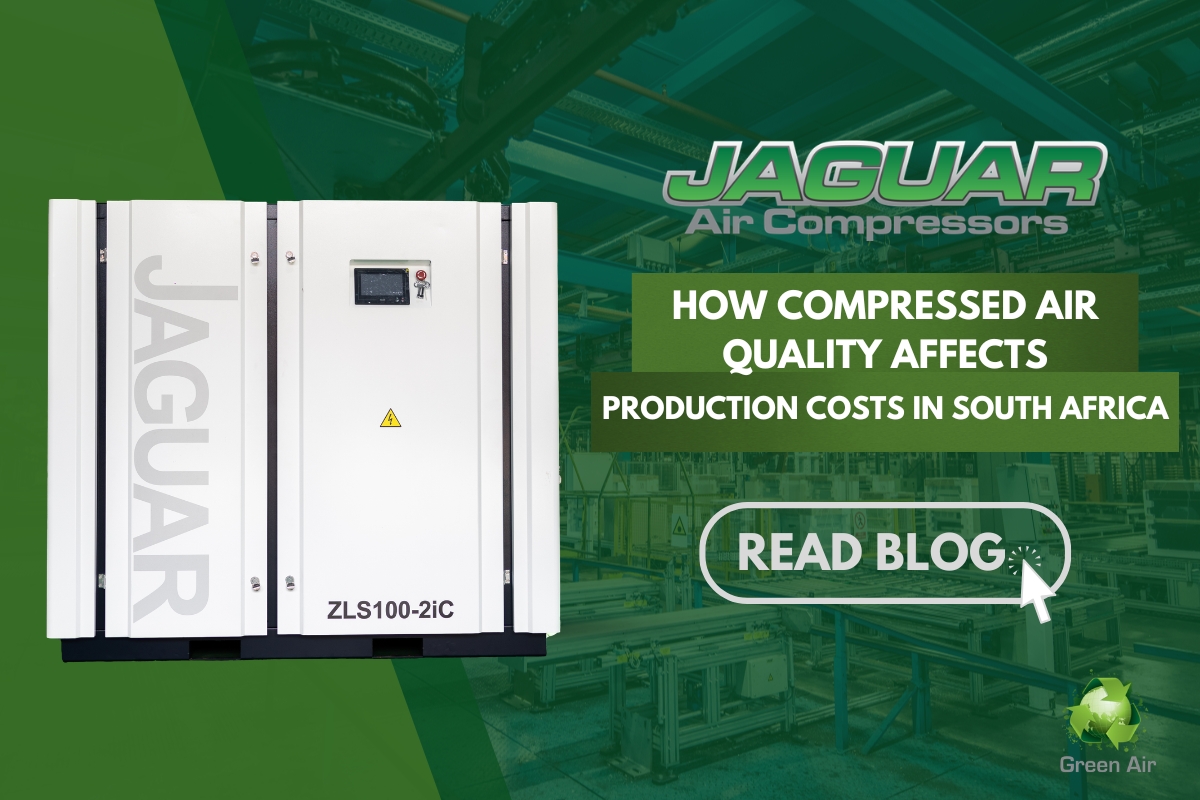

Compressed air powers everything from pneumatic tools to automated production lines across South Africa’s manufacturing, mining, automotive, and food processing industries. However, compressed air is also one of the most expensive utilities in industrial operations, and poor compressed air quality can significantly increase production costs.
Understanding the relationship between compressed air quality, energy efficiency, and operational costs is essential for businesses looking to improve productivity, reduce downtime, and stay competitive in South Africa’s challenging economic environment.
The Real Cost of Compressed Air in Industrial Operations
Many businesses focus on the upfront cost of air compressors, but the majority of compressed air expenses come from electricity consumption over the system’s lifespan.
Studies show that:
- Approximately 70–80% of compressed air lifecycle costs come from energy usage
- Compressed air systems can account for 10–40% of total factory electricity consumption
This means that any inefficiency caused by poor compressed air quality—such as moisture, oil contamination, leaks, or pressure loss—can dramatically increase operating costs.
In South Africa, where electricity prices continue to rise and power supply remains unstable, inefficient compressed air systems become even more expensive.
What Is Compressed Air Quality?
Compressed air quality refers to how clean, dry, and stable the air is when it reaches production equipment and processes.
Poor compressed air quality typically includes:
- Moisture and condensation
- Oil carryover from compressors
- Dust and airborne particles
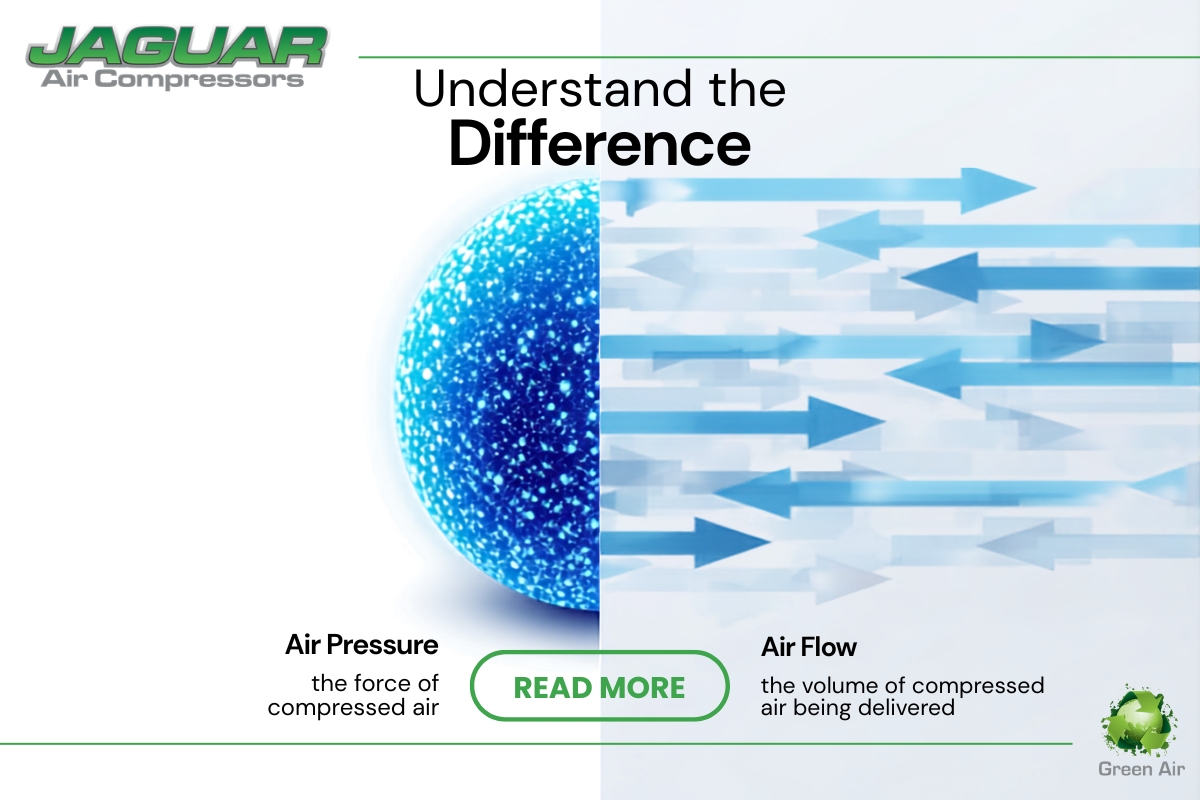
- Unstable pressure and airflow
International standards such as ISO 8573 define acceptable contamination levels for industrial compressed air systems.
Maintaining high-quality compressed air is not just a technical requirement—it directly impacts production efficiency, product quality, and operational costs.
How Poor Compressed Air Quality Increases Production Costs
1. Equipment Damage and Unplanned Downtime
Moisture and contamination inside a compressed air system can cause:
- Corrosion in pneumatic tools
- Wear on valves, cylinders, and actuators
- Premature equipment failure
This often leads to unplanned downtime, which can be more expensive than the energy costs themselves.
In South African manufacturing environments, even short production stoppages can disrupt schedules, delay deliveries, and reduce profitability.
2. Increased Energy Consumption from Pressure Loss
Poor compressed air quality often creates pressure drops throughout the system due to:
- Clogged filters
- Water accumulation in pipes
- Inefficient air dryers
- Contaminated air lines
To compensate, air compressors must work harder and consume more electricity.
Even small increases in system pressure can significantly raise energy costs across an entire operation.
3. Product Quality Issues and Production Rejects
Industries such as:
- Food and beverage
- Pharmaceuticals
- Automotive manufacturing
- Electronics production
require extremely clean compressed air.
Contaminated compressed air can result in:
- Product contamination
- Surface defects in paint and coatings
- Failed quality inspections
- Rework and material waste
These issues directly increase production costs while reducing operational efficiency.
4. Higher Maintenance and Repair Costs
Poor air quality accelerates wear throughout a compressed air system, leading to:
- More frequent filter replacements
- Increased servicing requirements
- Higher repair costs
- Shortened compressor lifespan
Over time, businesses spend significantly more on maintenance simply because air quality issues were not addressed early.
The Hidden Link Between Air Quality and Energy Efficiency
Many South African facilities try to reduce costs by focusing only on compressor size or electricity pricing. However, the largest hidden costs usually come from:
- Air leaks
- Pressure losses
- Poor filtration
- Inefficient air dryers
- Inadequate air treatment systems
For example:
- Up to 30% of compressed air can be lost through leaks and poor system control
- Small pressure increases dramatically increase electricity consumption
Poor compressed air quality therefore multiplies energy waste across the entire system.
Why Compressed Air Efficiency Matters in South Africa
South African industries face several unique operational pressures, including:
- Rising Eskom electricity tariffs
- Load-shedding and generator dependence
- Harsh industrial operating environments
- Competitive export pressures
In this environment, inefficient compressed air systems directly reduce profitability and competitiveness.
Improving compressed air quality is one of the fastest ways to:
- Reduce electricity consumption
- Improve uptime reliability
- Extend equipment lifespan
- Stabilise production output
- Improve operational efficiency
How to Reduce Production Costs Through Better Compressed Air Quality
Install Proper Air Treatment Systems
An efficient compressed air system should include:
- Air dryers to remove moisture
- In-line filters to remove oil and particles
- Condensate drains to manage water buildup
These systems help maintain clean, dry, and reliable compressed air.
Implement Leak Detection and Repair Programs
Compressed air leaks are one of the biggest hidden costs in industrial facilities.
Routine inspections and leak repairs can significantly improve energy efficiency and reduce electricity costs.
Optimise System Pressure
Over-pressurising compressed air systems increases energy consumption unnecessarily.
Proper pressure optimisation improves both system efficiency and equipment performance.
Conduct Regular Compressed Air Audits
Compressed air audits help identify:
- Pressure losses
- Flow inefficiencies
- Air quality problems
- Hidden energy waste
Routine audits allow businesses to address issues before they become expensive failures.
Use Heat Recovery Systems
Recovering waste heat from air compressors can offset other operational energy costs and improve overall efficiency.
Conclusion
Compressed air quality is not just a technical specification—it is a major factor affecting production costs in South African industries. Poor compressed air quality increases energy consumption, damages equipment, reduces product quality, and raises maintenance costs.
With rising electricity prices and increasing pressure to remain competitive, investing in compressed air quality improvements is one of the most effective ways to reduce operational costs and improve long-term efficiency.
Businesses that prioritise clean, dry, and reliable compressed air systems will benefit from:
Compressed air quality is not just a technical specification—it is a major factor affecting production costs in South African industries. Poor compressed air quality increases energy consumption, damages equipment, reduces product quality, and raises maintenance costs.
With rising electricity prices and increasing pressure to remain competitive, investing in compressed air quality improvements is one of the most effective ways to reduce operational costs and improve long-term efficiency.
Businesses that prioritise clean, dry, and reliable compressed air systems will benefit from:
- Lower energy costs
- Improved productivity
- Reduced downtime
- Longer equipment lifespan
- Better operational reliability
Contact Jaguar Air Compressors
Looking to improve compressed air quality and reduce production costs?