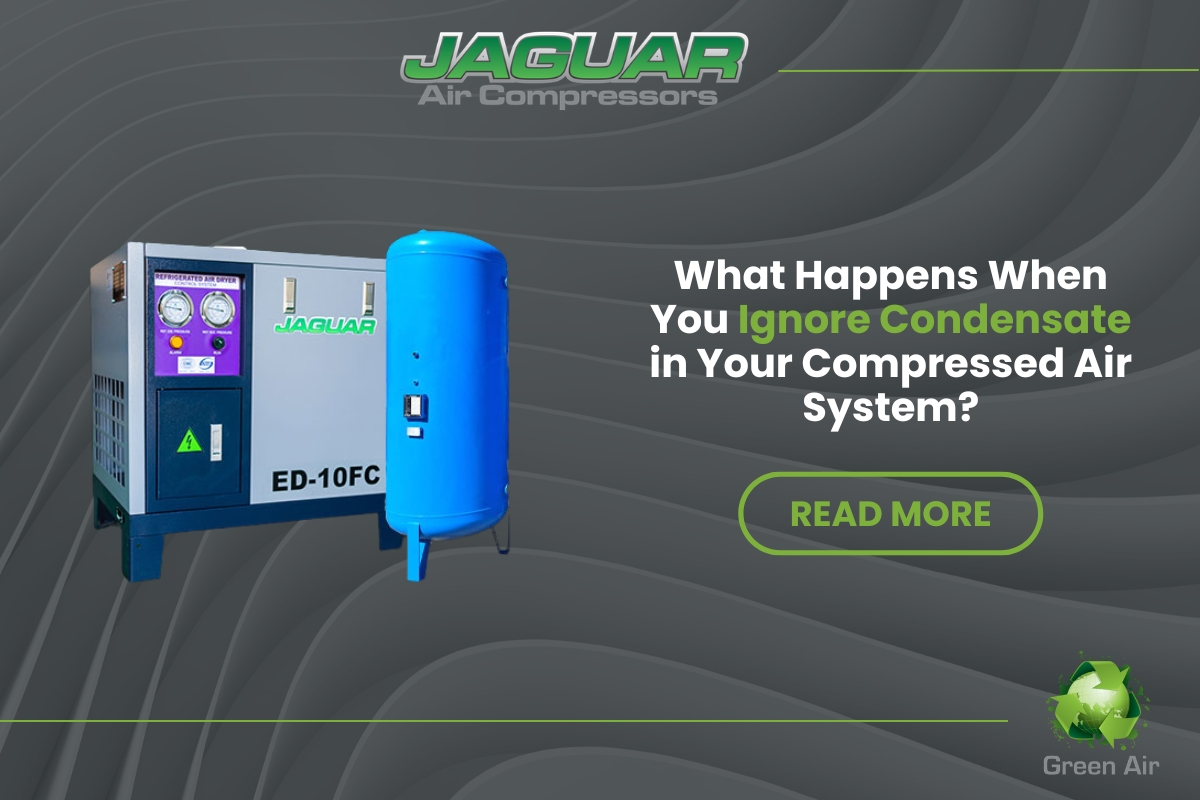

In many industrial facilities, compressed air systems power everything from pneumatic tools and production equipment to packaging lines and automated machinery. However, condensate management is often overlooked when it comes to compressed air system maintenance.
Many businesses do not realise that moisture created during the air compression process can cause serious damage if it is not properly removed. Ignoring condensate in a compressed air system can lead to equipment failure, reduced efficiency, costly downtime, poor air quality, and environmental compliance risks.
Here is what can happen when condensate is ignored in your compressed air system.
What Is Condensate in a Compressed Air System?
When atmospheric air is compressed, its temperature rises. As the compressed air cools, the moisture naturally present in the air condenses into liquid water. This liquid water mixes with compressor lubricants, oil, dirt, and airborne contaminants to form condensate.
Condensate can collect throughout a compressed air system, including in:
- Air receivers
- Air dryers
- Filters
- Piping systems
- Drain points
Without effective condensate management, this moisture can continue circulating through your system and cause long-term damage.
Corrosion Throughout Your Compressed Air System
Corrosion is one of the biggest consequences of untreated condensate.
Water inside compressed air piping slowly causes internal rust and corrosion. Over time, pipework can weaken, leaks may develop, and rust particles can contaminate the compressed air.
Condensate-related corrosion can also damage:
- Air receivers
- Valves
- Pneumatic cylinders
- Air tools
- Production equipment
Eventually, these components may require costly repairs or premature replacement.
Increased Wear on Pneumatic Equipment
Moisture is one of the most damaging contaminants for pneumatic equipment.
When condensate reaches machinery, it can wash away lubricants, increase friction, and accelerate wear on moving components. Bearings, seals, valves, and cylinders may all deteriorate faster than expected.
This can result in:
- More frequent maintenance
- Higher repair costs
- Reduced equipment lifespan
- Unexpected production downtime
Proper condensate removal helps protect your equipment and keeps your compressed air system operating reliably.
Reduced Compressed Air Quality
Clean, dry compressed air is essential for many industries. If water is present inside the compressed air system, it can contaminate finished products and affect production quality. This is especially important in industries such as:
- Food and beverage
- Pharmaceutical production
- Electronics manufacturing
- Automotive manufacturing
- Spray painting and coating applications
Moisture can cause poor paint finishes, damaged packaging, product defects, contamination issues, and rejected batches. Using the correct air dryer, filtration system, and condensate drains helps maintain the required compressed air quality.
Blocked Filters and Reduced Efficiency
Condensate can carry oil, dirt, and other contaminants through the compressed air system. As these contaminants build up, compressed air filters become blocked more quickly. This creates a higher pressure drop across the system. A higher pressure drop means your air compressor must work harder to maintain the required operating pressure. As a result, electricity usage and operating costs increase. Replacing clogged air filters more often also increases maintenance expenses.
Frozen Pipework During Cold Weather
Untreated condensate can freeze inside compressed air lines in colder environments.
Frozen moisture can:
- Restrict airflow
- Block valves
- Damage piping
- Cause sudden equipment failures
Even in relatively mild climates, facilities can still experience condensate-related issues in refrigerated or temperature-controlled areas.
Costly Unplanned Downtime
Major breakdowns are often caused by small moisture problems that were not dealt with early. A failed valve, seized pneumatic cylinder, blocked filter, or corroded air receiver can bring production to a halt. Unplanned downtime is often far more costly than routine condensate management because it can involve:
- Lost production
- Emergency repairs
- Replacement components
- Overtime labour
- Delayed customer deliveries
Preventing condensate build-up is usually far more cost-effective than repairing damage after it has occurred.
Environmental Compliance Risks
Condensate is not just dirty water. It often contains compressor oil, lubricants, and other contaminants. For this reason, it usually cannot be discharged directly into the environment, drains, or stormwater systems.
Many facilities require an oil-water separator to remove oil from condensate before disposal. This helps businesses comply with environmental regulations while reducing their environmental impact.
How to Prevent Condensate Problems
Effective condensate management starts with the right equipment and regular maintenance.
Some of the most effective solutions include:
- Installing automatic condensate drains
- Maintaining air dryers
- Replacing air filters at recommended service intervals
- Regularly inspecting drain points
- Checking for blocked or failed drains
- Servicing the compressed air system according to manufacturer recommendations
- Using an oil-water separator where required
Routine inspections can help identify moisture issues before they become expensive system failures.
Protect Your Compressed Air System
Condensate may seem like a minor by-product of compressed air production, but ignoring it can have serious consequences. The hidden costs of unmanaged condensate can quickly add up, from corrosion and equipment damage to higher energy costs, poor air quality, environmental risks, and unexpected downtime.
Investing in proper condensate management, routine maintenance, and high-quality compressed air equipment helps businesses:
- Improve system reliability
- Reduce operating costs
- Extend equipment lifespan
- Maintain compressed air quality
- Protect production output
Speak to the experts at Jaguar Air Compressors if you are unsure whether your compressed air system is removing condensate effectively. Our team can assess your system, recommend the correct condensate management solutions, and help keep your equipment operating at peak efficiency.
Contact Jaguar Air Compressors
Need help managing condensate in your compressed air system?